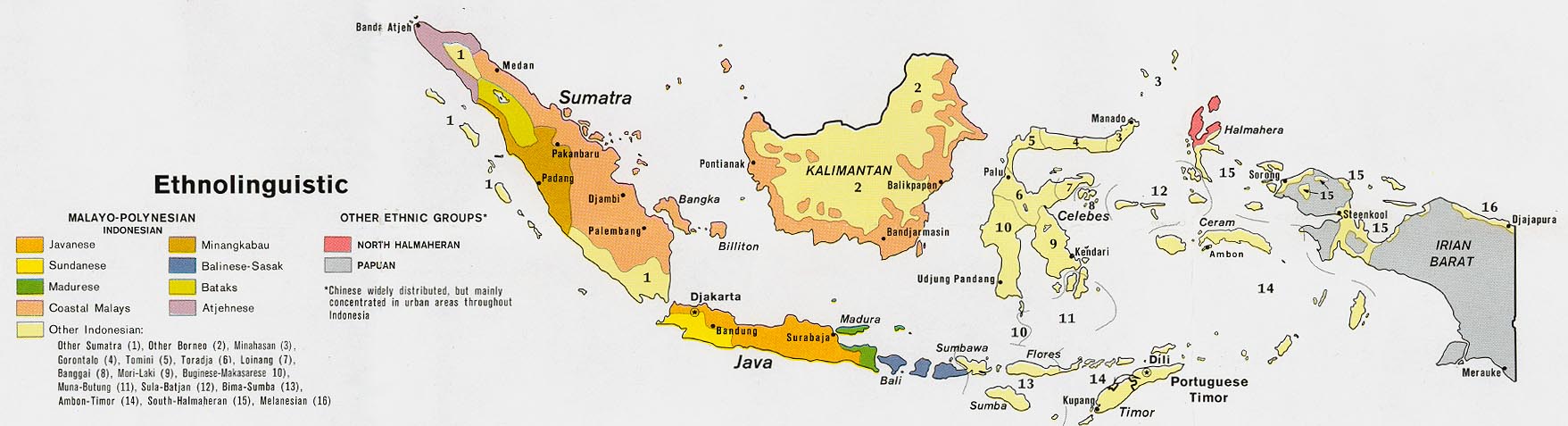
The Kauwerawec people group are located in the Papua Province of Indonesia, specifically along the Middle Mamberamo River. They reside in a region characterized by its diverse ecosystems, rich in biodiversity, containing forests, rivers, and wetlands, which is important in their traditional livelihoods, which often involve subsistence agriculture and hunting.
The Kauwerawec people primarily reside in the coastal regions of Indonesia, particularly in the remote areas of the Maluku Islands. Their communities are often situated near rivers and forests, which are integral to their way of life. These natural resources support subsistence farming, fishing, and foraging practices, allowing the Kauwerawec to maintain their livelihoods. The environment deeply influences their cultural identity and spiritual beliefs, fostering a profound connection to the natural world around them.
Their history is a tapestry shaped by cultural traditions and interactions with the surrounding landscape. They are known to primarily speak the Kauwera language.
The lives of the Kauwerawec people are intertwined with their natural environment and cultural traditions. Their way of life revolves around subsistence practices, social organization, and spiritual beliefs. Primarily engaged in small-scale farming, they grow crops such as taro, sago, and various vegetables using traditional methods that emphasize sustainability and harmony with their surroundings. In addition to agriculture, hunting and foraging contribute significantly to their diet, with the community relying on rivers for fish and other aquatic resources.
Daily life is organized around communal activities, with families cooperating for tasks like farming, harvesting, and food preparation. The basic social unit is the extended family, fostering strong bonds among relatives. Elders hold significant authority, offering guidance and wisdom, while decisions are made collectively, often with input from respected community leaders. The Kauwerawec also celebrate various ceremonies that mark important life events—such as births, marriages, and funerals—incorporating traditional music, dance, and storytelling. Their cultural identity is further expressed through traditional crafts like weaving and carving, which carry both functional and symbolic significance.
However, the Kauwerawec face challenges from logging, mining, and agricultural expansion that threaten their land and resources. There is also pressure to assimilate into broader Indonesian society, posing a risk to their cultural practices. Despite these challenges, the Kauwerawec people's lives reflect a rich cultural heritage rooted in their environment, characterized by a strong sense of community, resilience, and a commitment to preserving their identity.
Traditionally, the Kauwerawec people have engaged in animistic practices, believing that spirits inhabit various elements of nature. This belief system plays a vital role in their daily lives, influencing their relationships with each other and with the environment they navigate.
The beliefs of the Kauwerawec people are intricately tied to their cultural practices and the natural environment, blending traditional animistic beliefs with emerging Christian influences. They believe that spirits inhabit elements like trees, rivers, and animals. Spiritual ceremonies play a crucial role in their community, marking significant life events and seasonal changes through music, dance, and storytelling.
The arrival of Christianity through missionary activities, has further shaped Kauwerawec spirituality, leading many to adopt a syncretic approach that merges animistic beliefs with Christian teachings. This integration can create tension within the community as some individuals resist leaving behind ancestral traditions.
The Kauwerawec people face essential challenges that threaten their well-being and cultural heritage, including land rights, sustainable resource management, healthcare, clean water and sanitation, education, and economic development. Protecting their land rights is critical to safeguarding their territories from exploitation by logging, mining, and agriculture, as insecure land tenure endangers their traditional way of life. Additionally, improved healthcare and clean drinking water are vital for addressing health issues and enhancing overall community wellness.
Quality education that incorporates Kauwerawec culture and language is crucial for empowering the youth to advocate for their rights and preserve their traditions. Supporting initiatives to maintain their customs and language is essential, as is the development of sustainable economic opportunities like eco-tourism and traditional crafts. These efforts aim to improve living standards while allowing the Kauwerawec to retain their cultural identity amidst ongoing challenges.
Pray that many of the Kauwerawec people will have opportunities to access the gospel message.
Pray for the Holy Spirit to move in Indonesia among the Kauwerawec people to draw them to Jesus Christ.
Pray for the Kauwerawec people to embrace and to place their faith completely in Jesus Christ.
Pray for improved basic needs of the Kauwerawec in healthcare, financial needs, and education.
Scripture Prayers for the Kauwerawec in Indonesia.
https://peoplegroups.org/people_groups/PG022945/
| Profile Source: Joshua Project |